Review The Silver Guardian’s proposed roadmap
See how the long-term vision is presented as a phased proposal rather than an operating hospital.
A community-supported vision
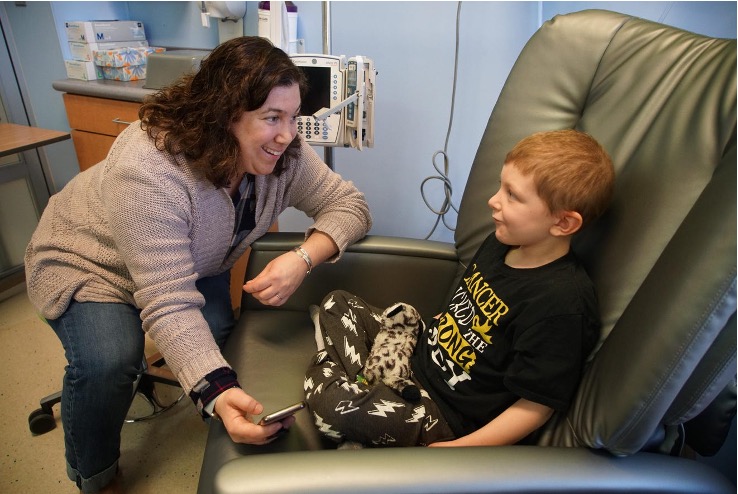
A child receiving care for pediatric cancer or another life-threatening condition such as heart disease deserves to be seen as a whole person, not simply as a patient. The Silver Guardian's vision explores how an independent organization can work with willing healthcare providers and community partners to support a welcoming, ice-hockey-themed care environment that respects clinical priorities, caregiver needs and the realities of life-threatening illness.


Life-threatening illness, such as cancer or heart disease, can make a child's days feel unfamiliar, invaded and tightly controlled. Appointments, tests, treatment times and waiting rooms interrupt school, friendships, play, and family routines. A thoughtfully designed environment cannot completely remove those burdens or change a diagnosis; however, it can acknowledge that children still need comfort, imagination, and inspiration. An ice hockey theme can offer familiar colors, stories, and activities without asking a child to pretend that treatment is easy or fun.
Disclaimer: the phrase kid-friendly research environment describes an innovational goal, not a currently operating facility. The Silver Guardian does not currently claim to own or operate a hospital. It also does not conduct medical research or provide diagnosis, treatment, rehabilitation, or medical advice.
A healthcare environment inspired by ice hockey should be broader than club branding or themed décor. Some patients may relate to the artistry of skating, the humor of mascots, the grandeur of arenas, the science of equipment or the camaraderie of teamwork; others may relate to players’ grit, determination and warrior mentality during their own experience with childhood cancer, heart disease or another life-threatening condition. Knowledge of ice hockey, loyalty to a professional team, or physical ability to play the sport would never be prerequisites for care.
Inspired play, flexible activities, celebratory artwork, or quiet visual details may inspire hope; however, energy level, mobility, vision, hearing, cognition, and sensory tolerance can or will change during treatment. An engaging feature for one patient may tire another. A responsible environment concept therefore includes calm support, adjustable stimulation, wheelchair access, clear signage, and engaging activities enjoyed from different perspectives under appropriate healthcare supervision.
Ice hockey is very similar to the fight against life-threatening illness, such as childhood cancer or heart disease, because it requires artistry in designing early detection methods and innovative treatment plans, while simultaneously requiring patients to fight for their lives every day emotionally, mentally, and physically. No two journeys look the same, especially when it comes to cancer. Sometimes, patients will look like artistic skaters handling the journey with grace and agility, while others will look like determined competitors showing up every day to fight for themselves, their loved ones, and their fellow patients in their journey to survive.
In ice hockey, when a player is aware of his surroundings, movement up and down the ice can be generated with graceful speed. Likewise, awareness of signs and symptoms of life-threatening illness, such as childhood cancer or heart disease, is essential in assessing and addressing these conditions with graceful speed.
Ice hockey players are some of the most agile athletes on the face of the planet, both mentally and physically, because in order to play the sport, they have to learn an entirely different mode of transportation, then learn the sport strategy in addition to that. The players who master this skill can utilize that agile mobility to fake out defenders, score incredibly beautiful goals, and execute precision passes to assist other teammates in scoring goals. Patients battling life-threatening illness, such as childhood cancer or heart disease, often are forced to learn new modes of transportation to navigate through life, at least temporarily. With the right equipment and environment, patients can be encouraged to harness that new mode of transportation to pull off dazzling moves on their journey, allowing them to score incredible goals of survival and assist their fellow patients with precision inspiration every step of the way.
An essential part of ice hockey is balancing on a 3 to 4 millimeter piece of steel to glide around the ice surface. Patients battling life-threatening illness, such as childhood cancer or heart disease, have to exercise the same balance when their world is completely altered by such a diagnosis. Patients are asked to balance treatment plans with school, work, rest, and everyday life. The right supportive, morale boosting environment can make this learning process feel less daunting, and empower patients to be successful on their journey.
When ice hockey players stay alert, they possess the incredible ability to stop and turn away from obstacles that are in their path, even when they are skating at full speed. Similarly, early detection of life-threatening illness, such as childhood cancer or heart disease, can provide patients with incredible stopping power, allowing them the opportunity to avoid debilitating obstacles in their way. Therefore, a kid friendly, ice hockey themed research environment must make education about early detection methods a priority without sacrificing the importance of researching more effective treatment plans for after the illness is properly identified.
Not all hockey players are nimble skaters or flashy goal scorers, some are highly valued for their willingness to battle for possession of the puck in difficult areas along the walls of the rink with grit and determination, even if that means simultaneously having to fend off three or four different opponents who are also trying to possess the puck. Not all patients get the luxury of battling a life-threatening illness that was diagnosed through early detection, in which case the journey is never pretty or flashy, and even if the illness was detected early, there’s never a guarantee that a relapse will be detected early. It will require patients to battle every day for survival, sometimes in the hard areas with multiple obstacles trying to stop them. Our vision for a kid friendly, ice hockey themed research facility is important to boost morale for these brave individuals, and make sure that their every day battles do not go unnoticed or unappreciated. Note: Even in a supportive, morale boosting environment such as this, patients are allowed to feel tired, worried, or frustrated, but are always encouraged to persevere with grit and determination.
They call it the Identity Line, a group of players who show up every day like faithful warriors to compete for loose pucks, take a hit to make a play, and be the unsung heroes that anchor a championship hockey team. Some patients will look more like this kind of player, rather than a goal scorer or an assist machine, and every day, a hockey themed environment will allow the message “We see you, We appreciate you” to be heard loud and clear to all those patients who fight every day whether they make the highlight reel or not.
In North American professional ice hockey, it takes winning 16 out of a potential 28 games to win the championship. Not all players will succeed, but every player that earns the opportunity to compete in that tournament battles to the end with incredible resiliency, in spite of great pain and hardship along the way. While patients do not ask to participate in a battle against life-threatening illness, such as childhood cancer or heart disease, they should always be encouraged to fight to the end with incredible resiliency in spite of great and painful difficulty, no matter the outcome. Note: One of the great traditions at the end of every stage of the tournament is the handshake line where everyone has a chance to celebrate the effort it took to get to that point, so whether they succeed in hoisting the trophy or not, patients should always be commemorated and validated for resiliently competing to the end.
In sports, a welcoming and endearing mascot can make the game experience memorable and lead to a lot of positive memories for fans and players alike. The same is true in ice hockey, and in our kid-friendly research environment, these mascots would play a key role in boosting the morale of patients and staff.
Nothing quite compares to the zany antics of a favorite hockey mascot to make fans and players laugh with joy. The fight against life-threatening illness, such as childhood cancer or heart disease, is filled with many negative emotions, but positive laughter can fill a treatment area with joy, and offer a welcome break from clinical routines.
Depression is all too familiar for patients fighting life-threatening illness, such as childhood cancer or heart disease, however, a well-timed visit by a favorite, enthusiastic hockey mascot can brighten even the darkest of days with fun-filled memories.
A favorite hockey mascot embodies team spirit. Whether that’s dancing to energize the crowd, shooting T-Shirts out of a cannon, or driving the visiting team crazy, the mascot is focused on supporting the home team, no matter what. It is this team spirit energy that can make a kid-friendly hockey themed research environment so supportive for the patients that enter, whether the mascot is a big teddy bear handing out free hugs or a favorite staff member that makes a patient smile whenever they walk into the room.
True, ice hockey can be played on frozen backyard ponds or in community skating rinks, but nothing quite compares to the experience of visiting the splendorous venue of a professional team, regardless of the outcome of the game. While a clinical research environment is not one that people typically want to visit, when they do, it should inspire respect and boost morale regardless of the outcome, just like a well designed professional ice hockey venue.
The best arenas have the best staff who care for your every need with a smile on their face. Caring for patients with life-threatening illness, such as pediatric cancer or heart disease, can be filled with both joy and grief, sometimes on the same day or in the same hour, so an innovative environment focused on boosting morale for patients can also make the workplace more fun for staff members, thus increasing the quality of care received by all around them. Don’t forget, staff members are patients too.
For some patients, their journey means spending long periods of time away from the comforts of home. The kid-friendly, ice hockey themed research environment would include on-site housing that would be available to accommodate qualifying patients and staff to help boost morale by providing a “home ice advantage” while they fight life-threatening illness such as childhood cancer or heart disease.
The most important part of the hockey game is what happens before the referee drops the puck…it’s the skills practiced during warm-ups and behind the scenes that make all the difference. Not all patients battling life-threatening illness are considered research cases, but every case can provide valuable research insight. Remember, a life-threatening illness is never a “typical case” for patients, and every lesson learned can save a person’s life.
One of the most memorable things about impressive sports venues is the wide variety of foods that are available, especially venues that like to highlight regional cuisine such as bbq and poutine. While hospitals are typically not known for their cuisine, our kid-friendly, ice hockey themed research environment would prioritize having delicious food available to patients and staff, without sacrificing nutrition or neglecting care plans. Note: According to Here To Serve, Inc. in Los Angeles, CA, 60% of the battle against cancer happens at home, so it is important to do our part to make sure that patients not only receive nutritious meals in a clinical facility, but also when they get home after many long hours of treatment.
The sport of ice hockey cannot be played without specialized equipment. The same can be said for patients battling life-threatening illness such as pediatric cancer or heart disease.
The fundamental principle of ice hockey is to navigate a 3 inch rubber puck across a 200 foot, obstacle filled ice surface with a stick, so strong puck movement is critical to success. For every patient diagnosed with a life-threatening illness such as pediatric cancer or heart disease, a survival percentage is stated. The patient has to then take that percentage and navigate across an environment filled with obstacles in an attempt to either beat or increase the percentage, depending on the perspective. Like the hockey stick, a patient’s physical, emotional, and mental health is all they have to move the puck down the ice, so it is important that we give them every chance to succeed in skating all the way to the goal. A kid-friendly, ice hockey themed research environment can provide clinical care to safeguard physical health and boost morale to safeguard both emotional and mental health.
In between ice hockey periods, one of the most important pieces of equipment utilized is the Zamboni machine. It cleans the ice surface to make sure game play can be at the highest quality at the start of every 20 minute period. Likewise, in a kid-friendly research environment, disciplined environmental care is essential to make sure that patients can receive treatment at the highest quality possible.
Continued state-of-the-art pediatric cancer research is essential. The National Cancer Institute explains that progress remains limited for some childhood cancers, survivors can experience long-term effects and researchers need stronger collaboration and data sharing. The Children’s Cancer Research Fund has historically described childhood cancer research as receiving about 4% of federal cancer-research funding. That figure is a cited advocacy measure, not a claim that every cancer dollar is divided in the same way, but it illustrates why sustained public and philanthropic attention matters.
Research infrastructure should not come at the expense of daily care beyond the clinic. Here to Serve reports that families spend more than 60% of a child’s cancer journey at home, often while carrying physical, emotional and financial burdens. The Silver Guardian’s vision therefore joins advanced research and clinical facilities with comfortable on-site housing and connections to qualified at-home resources so patients, caregivers, researchers and staff are considered as whole people.
Research can involve laboratories, data systems, clinical studies and highly regulated work. Researchers and healthcare organizations would remain responsible for protocols, ethics review, informed consent, privacy, scientific standards and communication with participating families. The Silver Guardian would not collect medical records, recruit participants, interpret findings or claim that environmental themes improve clinical outcomes.
Community participation is essential and encouraged as a demonstration of support for children facing life-threatening conditions such as childhood cancer and heart disease. Businesses, athletes, artists, designers, charitable foundations and ice hockey organizations may contribute funding, expertise, materials or creative ideas. Their involvement would not make them healthcare providers or grant unlimited access to patients and caregivers.
Hospital leadership, patients, caregivers and licensed healthcare professionals would appropriately safeguard privacy and day-to-day activities. Recognition, branding, events, photography and access would remain subject to provider rules and informed family choices. Community support must strengthen an approved need without displacing care or implying a clinical result.
Kid-friendly research environment describes an innovative goal, not a currently operating facility. The Silver Guardian does not currently own or operate a hospital, conduct medical research or provide diagnosis, treatment, rehabilitation or medical advice. It does not manage, direct or represent a hospital, clinic or healthcare provider and has no authority over care, medical decisions, hospital programs or referrals.
This page presents a general vision for collaboration around kid-friendly, ice-hockey-themed pediatric healthcare environments. No specific hospital construction project, property, healthcare-provider partnership, research program, architectural plan or opening date is confirmed or announced. Because The Silver Guardian does not provide clinical services, it does not accept medical referrals or applications for clinical services. Healthcare organizations are not obligated to endorse this vision merely because their work relates to pediatric care or cancer and cardiovascular research.

No. The Silver Guardian does not own, operate, manage, direct or represent a hospital, clinic, research institution, or healthcare provider.
No clinical benefit is claimed, at this time. An ice hockey theme is projected to benefit the morale and wellbeing of the patients receiving treatment
No. This page is not a referral, admissions or research-recruitment service. Families should use the official processes of qualified healthcare and research organizations.
Any confirmed provider-led activity would require clear consent, limited information access and the provider’s privacy rules. Families should not send medical records or treatment details through our general contact forms.
Learn about the proposed roadmap and current community initiatives, then follow confirmed updates as The Silver Guardian explores whether qualified healthcare and community organizations want to shape this vision responsibly.
Review the proposed roadmap