pediatric cancer support in Raleigh–Durham
See how community support can complement a child’s clinical care.
Children’s hospital support in Raleigh–Durham
Raleigh–Durham is a regional centre for specialized pediatric care, and families may travel across the Raleigh–Durham Triangle and other parts of North Carolina for a child’s appointments. The Silver Guardian’s vision is to build community support for a separate, kid-friendly pediatric care facility concept inspired by ice hockey.

Triangle families may receive everyday services close to home while travelling among Raleigh, Durham, Chapel Hill or elsewhere for specialized pediatric care. Any future facility concept should understand that regional pathway before defining what it would add. I-40 and other highway access, public and adapted transportation, caregiver schedules, parking, language needs and coordination with established providers are operational questions that a hockey theme or building image cannot answer by itself.
The Silver Guardian currently describes a child-friendly, hockey-themed pediatric care vision, not an operating children’s hospital. No Raleigh–Durham location, construction timeline, clinical team, service list or health-system partnership has been announced. Clear language about that stage helps families avoid mistaking a fundraising concept for available care and gives potential community partners an accurate basis for evaluating future progress.
Raleigh–Durham includes urban centres, suburban communities and rural approaches with different travel patterns. A credible location study would need to consider travel from Wake, Durham, Orange and surrounding counties, highway congestion, transit access, accessible drop-off, family parking, storm resilience and proximity to established services. Public information and wayfinding should use clear English and provide appropriate language access for the many communities that call the Triangle home.
Inside a future facility, hockey imagery should support comfort and orientation without overwhelming children with sensory needs or excluding those who do not follow the sport. Calm areas, accessible circulation, caregiver space, adolescent privacy, infection prevention and flexible environments must guide design choices. Children, families, accessibility professionals and qualified health leaders should influence planning before decorative concepts or facility claims are treated as final.
The current concept is an innovative pediatric care environment designed to inspire hope and healing for children facing life-threatening conditions, primarily cancer and heart disease. Its hockey theme is intended to make the setting feel engaging and familiar rather than institutional.
This is a developing concept, not an operating children’s hospital. The website does not publish a Raleigh–Durham site, construction schedule, clinical team or opening date.
Children and caregivers can spend significant time in care settings. Clear wayfinding, welcoming spaces, age-appropriate activity and a sense of identity can influence how that time feels, even though the environment never replaces high-quality clinical care.
The Silver Guardian brings business owners and community advocates together to gather support. Its Score a Goal campaign and planned seasonal events are intended to help fund the construction and ongoing support of the care facility concept.
For Raleigh–Durham, credible progress would require transparent planning, appropriate health-sector leadership, accessibility, accessible multilingual communication and durable local partnerships. Those details should be confirmed before any facility claims are made.
A pediatric care concept in Raleigh–Durham would serve a city while also existing within a wider regional network. Families may arrive from neighbourhoods across Raleigh and Durham, nearby suburbs or distant North Carolina communities. Travel can involve highways, public transit, severe weather and overnight planning. A credible facility proposal should study who it intends to serve, how families would reach it and how its role would relate to established health services before selecting design features or announcing a location.
Language access is equally practical. Families need to understand care discussions, consent, wayfinding and written instructions in the language appropriate to them. Bilingual public communication is a starting point, not a complete operational plan. Any future project would need qualified leadership to address North Carolina health requirements, staffing, governance, clinical accountability and the many language and accessibility obligations that apply to real services. The current Silver Guardian concept has not announced those operational details.
A theme can help children recognize and navigate a space when it is applied thoughtfully. Hockey-inspired colours, shapes, room names or play elements could create interest without making the environment noisy or overwhelming. The design should also work for children who do not follow hockey. Clear signs, calm areas, inclusive imagery and age-appropriate choices matter more than decoration alone. Infection prevention, mobility, sensory needs and caregiver space must remain fundamental requirements.
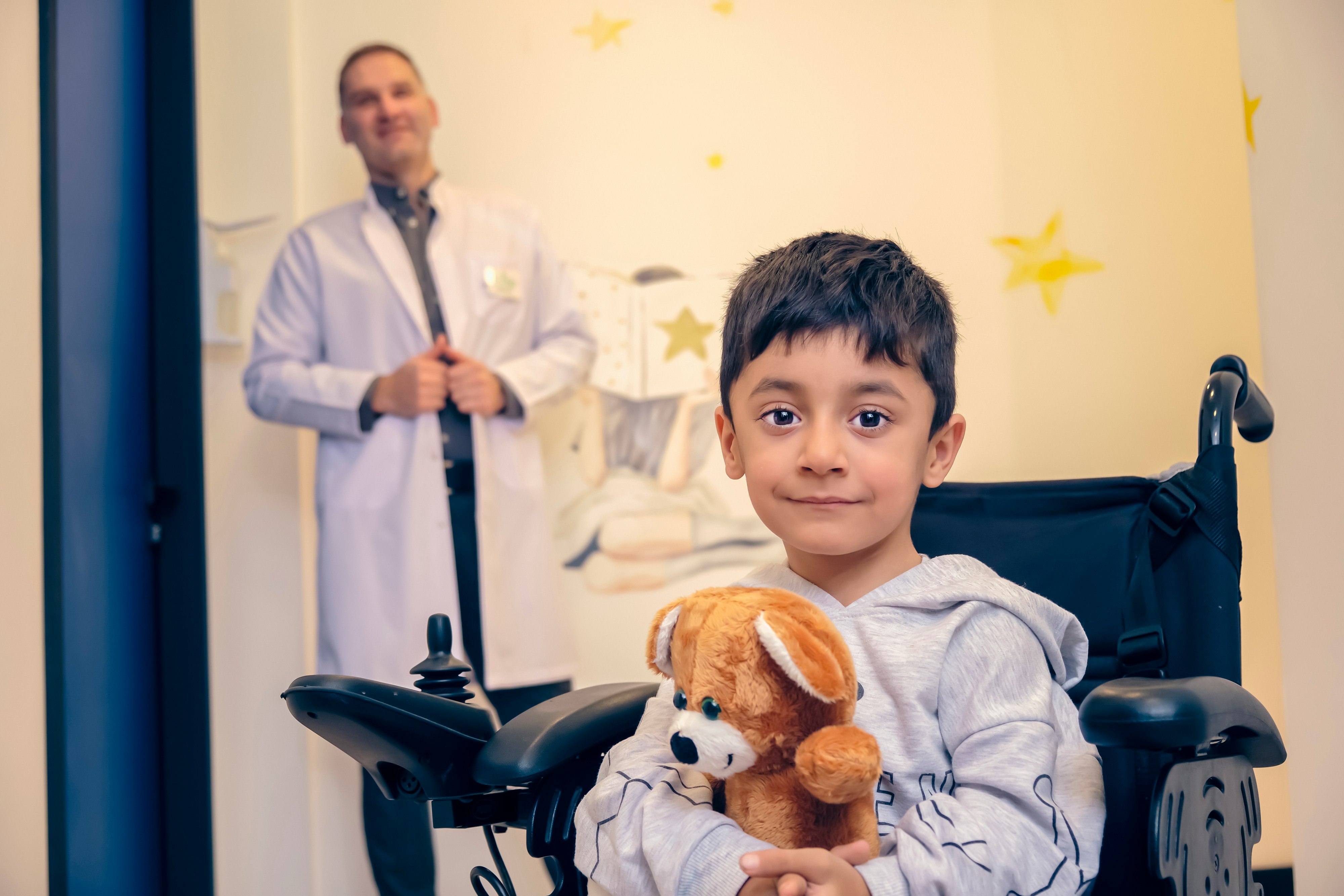
Children receiving care range widely in age and ability, so one visual idea will not suit everyone. A younger child may respond to playful rink imagery while a teenager may value privacy, charging access and a comfortable family area. A child using a wheelchair or other equipment needs generous circulation and accessible fixtures. The proposed theme should support dignity and orientation across those experiences. Clinical and accessibility expertise would need to guide each decision if the concept advances.
Building support is an early phase, not the same as building a hospital. Meaningful milestones would include a defined care model, qualified health-sector leadership, feasibility work, governance, a sustainable capital and operating plan, regulatory review, site decisions and community consultation. Public updates should distinguish completed milestones from aspirations. This lets supporters understand where their contribution fits and prevents a rendering or fundraising target from being mistaken for an approved project.
The Silver Guardian currently describes seasonal events and Score a Goal as ways to gather resources for construction and support of its concept. Raleigh–Durham organizations considering involvement can ask how funds are managed, what reporting will be available and which professional partnerships have been confirmed. Those questions are constructive because a pediatric facility requires durable responsibility long after an opening celebration. Careful scrutiny, accessible multilingual engagement and transparent progress can help turn community enthusiasm into a plan worthy of families’ confidence.
Supporters can also look for evidence that children, caregivers and frontline professionals have meaningful opportunities to influence planning. Consultation is useful only when it can change decisions and when participants understand the limits of the current phase. Documenting that input would show how the concept responds to Raleigh–Durham families rather than relying on assumptions.
No active Raleigh–Durham construction project is announced on this page. The organization is gathering support for a pediatric care facility concept.
No such claim is made. The concept is described as a community-supported pediatric care experience, and any future role would require qualified planning and confirmed partnerships.
No operating details are confirmed. In Raleigh–Durham, accessible multilingual communication would be an important planning consideration for families, staff and community partners.
Both are parts of The Silver Guardian’s mission: one focuses on a hockey-themed pediatric care environment, while 32 Wishes in 32 Cities focuses on positive hockey-related experiences for children.
Review the fundraising approach and the organization’s current goals, then decide how you can help build informed, sustainable community support in Raleigh–Durham.
See the fundraising approach